
Regulatory Assessment Priorities for Plastic Pyrolysis Facilities
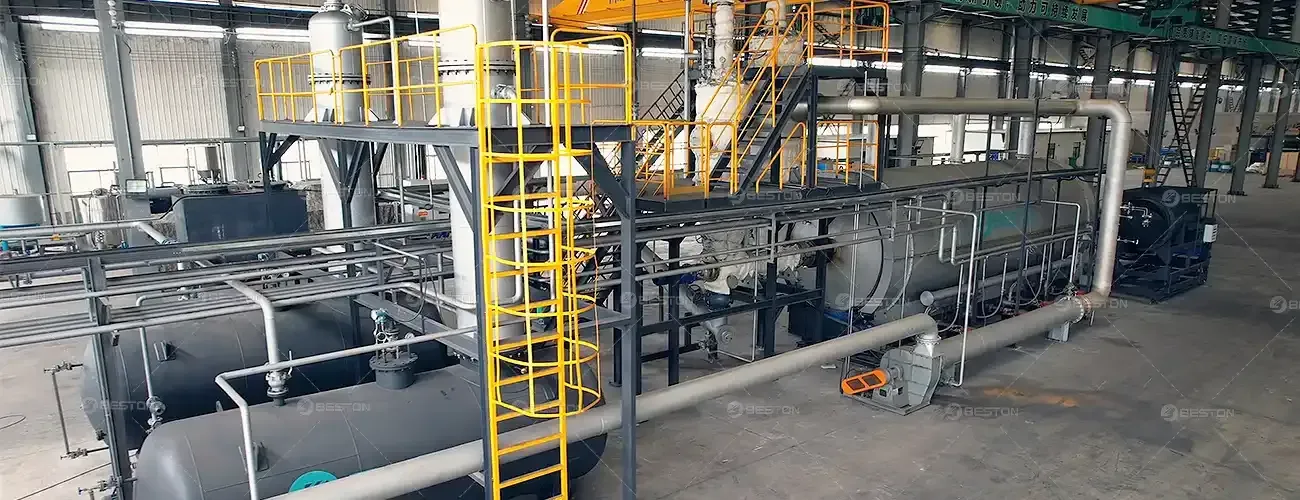
Plastic-to-fuel and plastic-to-chemical conversion technologies have accelerated in recent years, and regulatory scrutiny has intensified at the same pace. A modern pyrolysis plant processing post-consumer or industrial plastics must satisfy a multi-tiered compliance structure involving emissions governance, feedstock control, occupational safety, hazardous-material management, and product-quality oversight. Regulatory assessment is not a single checkpoint. It is an integrated evaluation that begins at the design phase and persists throughout the facility’s operational life.
Short sentences reinforce clarity. Compliance safeguards operational viability.
Frameworks Governing Environmental Authorization
Air Emission Standards
One of the central compliance dimensions for any plastic pyrolysis facility is air-quality permitting. Thermal depolymerization generates a complex profile of vapors, including volatile organic compounds, particulate matter, and trace halogenated compounds depending on feedstock composition. Regulatory oversight typically mandates continuous emission monitoring, dust abatement, and strict adherence to combustion efficiency thresholds.
Advanced condensation and scrubbing systems must demonstrate quantifiable removal efficiency. A plastic pyrolysis plant seeking approval must present validated emissions modeling, measurement protocols, and equipment specifications capable of meeting regional environmental statutes.
Waste Residue Classification
Solid residues—primarily char and inert ash—may fall under non-hazardous or hazardous classification depending on regulatory jurisdiction and chemical analysis. The classification determines allowable storage duration, disposal pathways, and handling requirements. Authorities often require leachate tests, heavy-metal quantification, and characterization of persistent organic pollutants prior to issuing a facility permit.
Feedstock Compliance and Traceability
Source Verification
Plastic waste streams must be traceable, properly documented, and compliant with accepted material categories. Unauthorized or contaminated feedstock can trigger regulatory violations. Many jurisdictions prohibit the processing of PVC-rich materials without advanced dechlorination systems because uncontrolled thermal degradation may produce corrosive or harmful emissions.
A robust feedstock verification protocol ensures the plastic to fuel machine receives plastics aligned with its engineered tolerances. This includes documentation trails, contamination thresholds, and periodic third-party audits.
Inventory Control
Inventory logs, batch records, and storage conditions are routinely inspected to verify compliance with waste-management standards. Traceability systems must reflect real-time data, including origin, composition, and processing date. This minimizes discrepancies that could affect regulatory reporting or introduce environmental risk.
Occupational and Process Safety Requirements
Hazardous Area Classification
A pyrolysis facility contains high-temperature reactors, pressurized vessels, hydrocarbon vapors, and flammable gases. Regulatory inspectors examine hazard zoning, grounding systems, ventilation, and explosion-proof infrastructure. Safety protocols must be codified and demonstrated through operational readiness reviews.
Short sentences emphasize urgency. Safety governs continuity.
Training and Competency
Operators must exhibit documented proficiency in thermal process control, emergency shutdown, leak detection, and gas-handling procedures. Annual refresher training is often mandated. Compliance inspections typically require training logs, certifications, and drills demonstrating preparedness for equipment malfunctions or feedstock anomalies.
Mechanical Integrity and Equipment Verification
Reactor and Pressure System Certification
Inspections assess whether reactors, condensers, pipelines, and pressure vessels meet manufacturing standards. Weld quality, metal thickness, corrosion resistance, and pressure-relief systems must align with regulated engineering codes. Inspectors often request third-party inspection reports, hydrostatic test results, and material certification sheets to demonstrate mechanical integrity.
Preventive Maintenance Documentation
Regulatory authorities expect structured maintenance plans. These plans include lubrication schedules, instrument calibration, sensor verification, and replacement intervals for key components such as seals, valves, and burners. Documentation must be complete, chronological, and readily accessible for auditing.
Chemical Handling and Storage Oversight
Product Storage Compliance
The output of a pyrolysis plant—oil, wax, and non-condensable gas—falls under chemical storage regulation. Storage vessels must be engineered to prevent leakage, overpressure events, and ignition risks. Secondary containment, fire suppression systems, and spill-response infrastructure are mandatory in most jurisdictions.
Hazard Communication Systems
Safety data sheets (SDS) and labeling requirements apply to all stored materials. Regulators verify that employees can quickly identify hazards, understand exposure limits, and follow emergency procedures. This ensures alignment with chemical-safety frameworks such as GHS (Globally Harmonized System).
Energy Integration and Emission Control Validation
Combustion Optimization
Non-condensable gas used as an internal heat source must be combusted efficiently to meet emission benchmarks. Regulators examine burner performance, oxygen ratios, heat-distribution profiles, and stack-gas measurements. Demonstrated combustion stability is essential to minimize pollutants and ensure thermal efficiency.
Secondary Treatment Systems
Scrubbers, activated-carbon filters, and catalytic converters require performance testing to validate their removal efficiency. Compliance reviews often involve field measurements and verification of reagent dosing systems. Thermal oxidizers, where used, must meet destruction-removal efficiency (DRE) targets.
Documentation, Reporting, and Data Integrity
Periodic Reporting Obligations
Environmental authorities typically require quarterly or annual reports detailing emissions data, waste-handling volumes, product output, and maintenance activities. The data must be precise, consistent, and derived from calibrated instrumentation. Inaccurate reporting exposes the facility to administrative penalties.
Real-Time Monitoring Systems
Modern compliance regimes increasingly adopt digital monitoring expectations. Supervisory control systems capable of logging temperature, pressure, flow, and emission metrics provide traceable datasets. Regulators evaluate the reliability of these systems and the mechanisms for detecting anomalies.
Advancing Compliance Readiness for Plastic Pyrolysis Operations
A comprehensive compliance assessment ensures that a plastic pyrolysis facility operates within environmental, procedural, and safety parameters defined by regulatory authorities. This multilayer evaluation—spanning feedstock screening, emissions governance, mechanical integrity, occupational safety, and data transparency—fortifies operational resilience. Through rigorous adherence to these standards, a pyrolysis plant establishes long-term credibility, minimizes risk exposure, and ensures sustainable alignment with the evolving regulatory landscape.
