
Key Factors Influencing Continuous Operation of Pyrolysis Equipment
A pyrolysis plant, which is designed to thermochemically break down organic materials in the absence of oxygen, faces multiple operational challenges. These challenges must be understood and addressed to ensure continuous and efficient processing. The primary goal is to achieve stable, cost-effective operations with minimal downtime, as any disruptions can incur substantial financial losses and affect product quality. There are various factors that influence the continuous operation of pyrolysis equipment, ranging from feedstock characteristics to equipment design and process management.
Feedstock Variability and Its Impact
Consistency of Feedstock Quality
One of the most significant factors affecting the continuous operation of a continuous pyrolysis plant is the variability in feedstock quality. Feedstocks, whether biomass, plastics, or tires, may vary in moisture content, particle size, and chemical composition. These variations directly influence the pyrolysis process, which is highly sensitive to input material characteristics. Inconsistent feedstock quality can lead to inefficient heat transfer, incomplete pyrolysis reactions, or operational blockages.
The moisture content of the feedstock, for instance, requires additional energy to vaporize the water during pyrolysis. This can reduce the efficiency of the plant and increase energy consumption. Similarly, large or irregularly shaped particles can cause uneven heating and delays in the decomposition process. To achieve continuous operation, feedstock preprocessing is vital, including drying, grinding, and homogenization.
Impurities in Feedstock
Another challenge is the presence of contaminants in the feedstock. In the case of plastic or mixed waste materials, impurities like metals, glass, and other non-organic materials can damage the pyrolysis plant’s internal components. These impurities can clog reactors, interfere with gas flow, and result in premature wear and tear of equipment. It is essential to implement an effective sorting and cleaning system before the feedstock enters the reactor to avoid these issues.
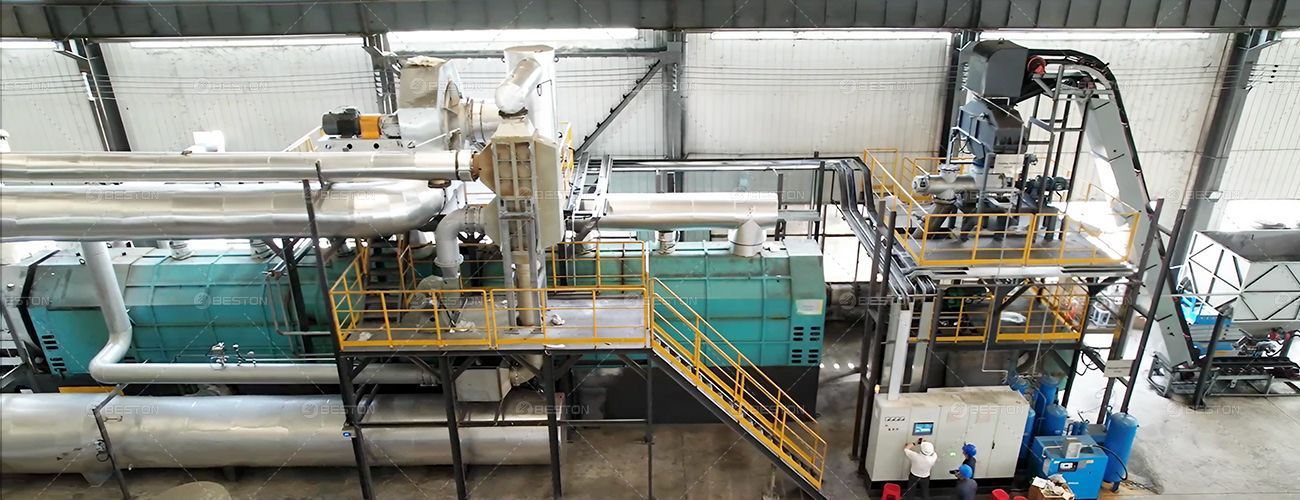
Reactor Design and Thermal Management
Temperature Control
Pyrolysis is a high-temperature process, typically occurring between 350°C and 700°C, depending on the feedstock and desired product. Maintaining a consistent and uniform temperature throughout the reactor is crucial for optimizing the process. Temperature fluctuations can result in incomplete pyrolysis, lower-quality products, or increased formation of unwanted by-products like tar or char.
The pyrolysis plant’s thermal management system plays a vital role in ensuring continuous operation. Proper insulation and heat recovery systems are necessary to maintain temperature consistency while minimizing energy losses. Additionally, a high-efficiency heating system is required to quickly reach and maintain the desired pyrolysis temperatures.
Reactor Pressure
In some pyrolysis processes, maintaining a specific pressure is critical for optimizing reaction rates and product yield. Pressure variations can significantly affect the volatility of gases, which in turn impacts the efficiency of the system. Uneven or fluctuating pressure levels can also strain the reactor walls and lead to premature failure. Therefore, effective pressure control mechanisms, including pressure relief valves and monitoring systems, are necessary for continuous operation.
Equipment Durability and Maintenance
Material Selection
The longevity and reliability of a pyrolysis plant depend heavily on the materials used in the construction of its key components. Reactors, heat exchangers, and piping systems are constantly exposed to high temperatures and corrosive gases. Corrosion-resistant materials like stainless steel or high-temperature alloys are critical to ensure that the equipment can withstand harsh operating conditions.
Over time, components such as seals, gaskets, and reactor linings wear out due to thermal and chemical stresses. Regular inspection and maintenance of these components are crucial to avoid unscheduled shutdowns. In particular, the internal surfaces of the reactor require periodic cleaning and replacement of worn-out parts to prevent contamination and ensure smooth operations.
Preventing Blockages and Clogs
In the pyrolysis process, especially when dealing with waste materials, the build-up of solid residues like char or ash can cause blockages in the reactor or exhaust system. These blockages can interrupt the flow of gases, reduce reactor efficiency, and potentially damage equipment. Continuous monitoring of residue accumulation and regular cleaning routines are essential to prevent such issues and maintain an uninterrupted flow of materials and gases.
Process Control and Automation
Monitoring Systems and Control Loops
Advanced monitoring and control systems are essential for maintaining stable operation in a pyrolysis plant. These systems track variables such as temperature, pressure, feedstock flow, and gas composition. By continuously adjusting the operational parameters, the system ensures that the pyrolysis process remains within optimal conditions.
Automation also plays a crucial role in reducing human error and improving operational efficiency. Automated feedstock delivery systems, temperature control, and product separation systems contribute to smooth, continuous operation. Real-time data from the sensors allow operators to predict potential issues and take corrective actions before they escalate into system failures.
Safety Protocols
Given the high-risk nature of pyrolysis, safety measures must be in place to protect the plant from accidents such as gas leaks, overheating, or equipment failures. Safety features such as automatic shut-off valves, emergency pressure relief systems, and fire suppression systems must be integrated into the plant design. The operational staff should be well-trained in handling potential emergencies to ensure safe, uninterrupted operation.
Environmental Factors
Emission Control
In addition to maintaining operational efficiency, it is essential to manage the environmental impact of a pyrolysis plant. Emissions of gases such as carbon dioxide, carbon monoxide, volatile organic compounds, and particulate matter need to be monitored and controlled to meet regulatory standards. The integration of efficient scrubbers, filters, and gas treatment systems can help minimize harmful emissions and ensure compliance with environmental regulations.
The plant's location is also an important consideration. Proximity to environmental risks, such as flood-prone areas or areas with high air pollution levels, can affect both operational efficiency and regulatory compliance.
