
Cost Advantages of Wood Charcoal Production
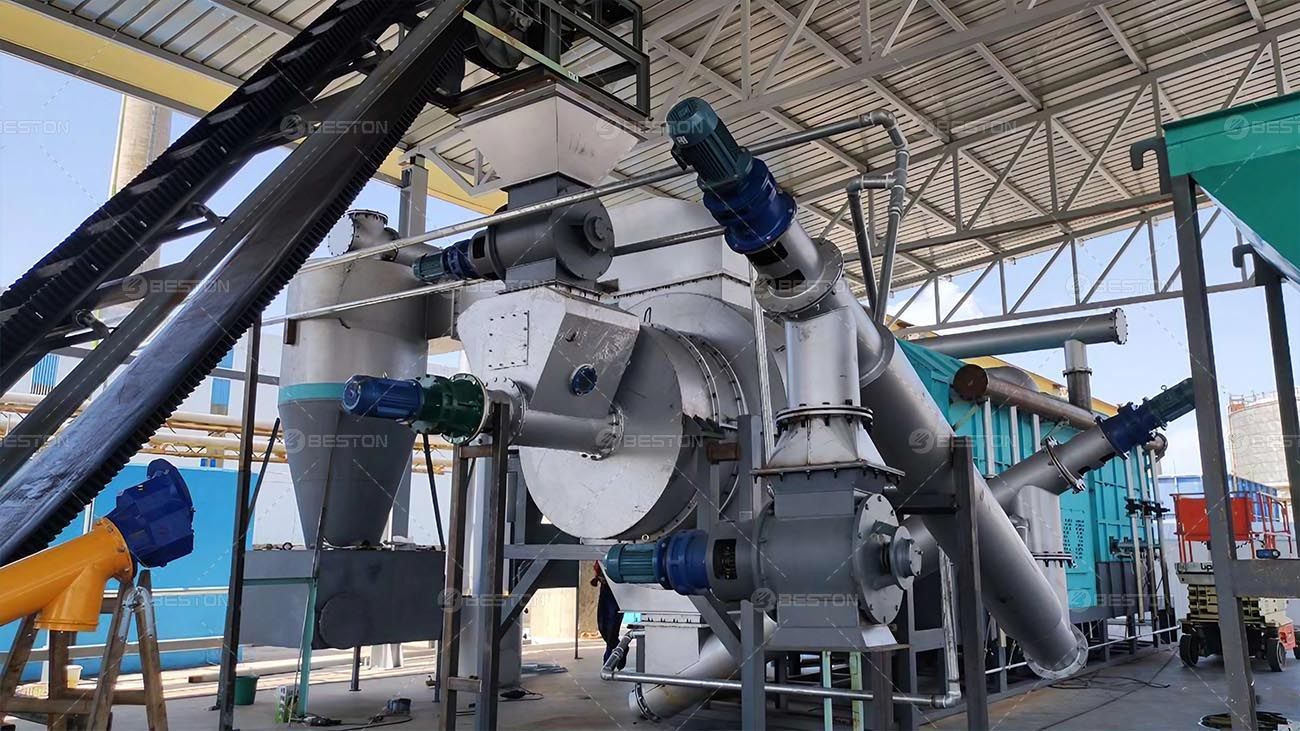
Wood charcoal production has evolved into a cost-efficient industrial process supported by controlled thermal conversion technology. A wood charcoal machine enables stable carbonization of biomass under oxygen-limited conditions. The economic advantage of this process is derived from low-cost raw materials, internal energy reuse, and flexible system configuration. These factors collectively reduce both capital and operating expenditure while maintaining consistent output quality.
Low-Cost Feedstock and Resource Accessibility
Abundant biomass supply
Wood residues such as sawdust, branches, and processing offcuts are widely available. These materials are often treated as waste in forestry and wood industries. Their use as feedstock significantly reduces raw material cost compared to fossil-based inputs.
Minimal acquisition cost
In many regions, biomass waste carries disposal obligations. This allows operators to secure feedstock at very low cost or even receive handling fees. This creates a structural cost advantage at the input level.
Localized sourcing model
Wood biomass can typically be sourced near the production site. This reduces transportation distance and lowers logistics expenses. A localized supply chain also improves cost stability over time.
Energy Efficiency and Internal Fuel Loop
Self-sustaining operation
A pyrolysis plant generates combustible gas during the carbonization process. This gas can be redirected as a fuel source within the system. As a result, external fuel consumption is significantly reduced or eliminated.
Reduced external energy dependency
Traditional charcoal production methods often rely on coal or diesel. In contrast, modern systems utilize process gas, leading to lower energy costs and improved efficiency.
Heat recovery integration
Advanced configurations include heat recovery systems. Waste heat from exhaust streams can be reused for drying or preheating raw material. This further improves energy utilization and reduces operating cost.
Process Control and Yield Optimization
Consistent product yield
Controlled temperature and residence time ensure stable carbonization conditions. This improves charcoal yield and minimizes material loss. Higher yield directly reduces cost per unit of output.
Improved carbon retention
Optimized process parameters enhance conversion efficiency. This ensures that a higher proportion of biomass is converted into usable charcoal rather than being lost as residue.
Lower labor requirement
Automation in feeding, discharging, and monitoring reduces labor intensity. This leads to a more predictable cost structure and supports scalable operations.
Capital Efficiency and Modular Deployment
Flexible investment structure
Modern charcoal machine systems are often designed with modular components. This allows operators to start with smaller capacity and expand gradually. Initial capital investment is therefore reduced.
Short construction cycle
Compared to traditional industrial facilities, these systems can be installed and commissioned quickly. Faster deployment accelerates revenue generation and improves capital efficiency.
Scalable capacity expansion
Production capacity can be increased by adding parallel units. This avoids major redesign and reduces additional engineering costs.
Logistics and Transportation Optimization
Increased energy density
Charcoal has higher energy density than raw wood. Converting biomass into charcoal reduces volume and weight. This lowers transportation cost per unit of energy delivered.
Near-source production advantage
Installing a pyrolysis plant close to biomass sources minimizes raw material transport. This is particularly beneficial in forestry regions with dispersed feedstock.
Improved storage stability
Charcoal is more stable than raw biomass and less prone to degradation. This reduces storage losses and handling costs over time.
Byproduct Utilization and Cost Recovery
Liquid byproduct recovery
The pyrolysis process generates liquid fractions that can be used as low-grade fuel or chemical input. These byproducts contribute to overall cost recovery.
Gas reuse within the system
Non-condensable gas is reused as an internal energy source. This reduces the need for external fuel and enhances overall system efficiency.
Residue utilization
Solid residues such as ash can be applied in agriculture or construction. This minimizes disposal cost and supports efficient resource use.
Policy Support and Environmental Cost Benefits
Carbon reduction potential
Using biomass as a feedstock can reduce net carbon emissions. This creates opportunities for carbon credit generation in relevant markets.
Government incentives
Many regions provide subsidies or tax benefits for biomass utilization projects. These incentives lower effective investment and operating costs.
Regulatory compliance advantage
Modern systems include emission control features. This reduces compliance risk and avoids additional costs related to environmental upgrades.
Market Competitiveness and Economic Stability
Competitive production cost
Lower input and energy costs enable charcoal to compete with fossil-based fuels. This is especially relevant in regions with high energy prices.
Diversified application market
Charcoal is used in metallurgy, heating, and soil improvement. This diversified demand base supports stable revenue generation.
Reduced exposure to volatility
Biomass supply is generally less affected by geopolitical factors than fossil resources. This improves long-term cost predictability.
Investment Perspective and Financial Performance
Lower entry threshold
The combination of low-cost feedstock and modular design reduces the barrier to entry. This makes wood charcoal production accessible to a wider range of investors.
Short payback cycle
Efficient operation and multiple value streams contribute to faster capital recovery. Projects can achieve stable returns under consistent market conditions.
Alignment with circular economy
Converting wood waste into charcoal supports resource recycling and waste reduction. This strengthens long-term project sustainability and economic resilience.
Wood charcoal production through a pyrolysis plant demonstrates clear cost advantages across the entire value chain. From feedstock sourcing to energy utilization and market positioning, the system enables efficient and scalable operations with strong economic potential.
