
Regulatory Complexities in Plastic Pyrolysis Deployment
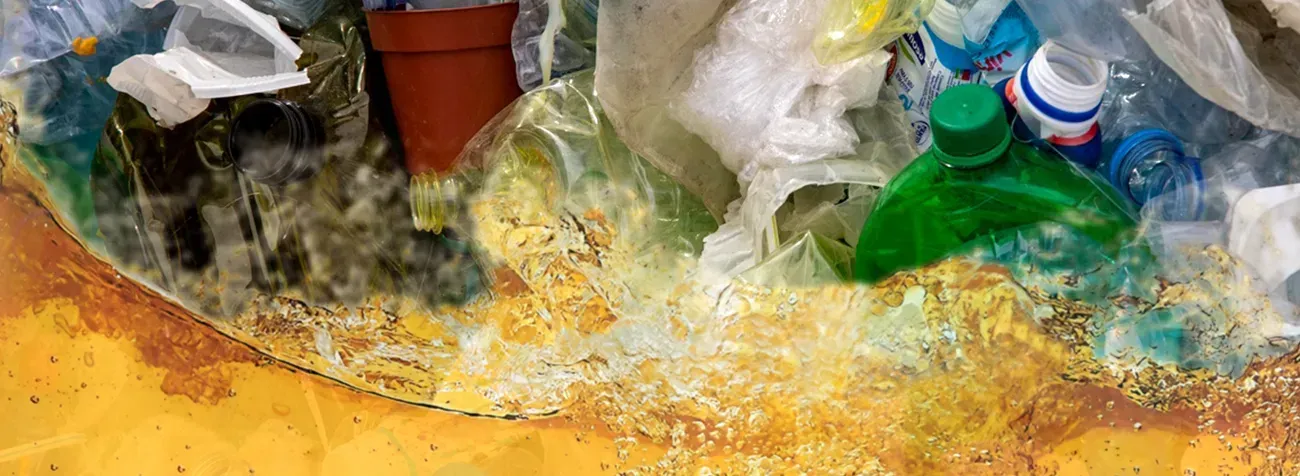
Plastic pyrolysis has become a prominent pathway for transforming heterogeneous polymer waste into liquid hydrocarbons, synthetic gas, and char. Yet the rapid expansion of this sector has brought regulatory scrutiny that is more intricate than that applied to conventional waste-processing technologies. A modern pyrolysis plant operating on plastic feedstock must contend with rigorous environmental governance, safety directives, chemical-handling regulations, and product-classification standards. These layers of oversight create a multifaceted compliance environment that operators must navigate with precision.
Environmental Permitting and Emission Governance
Air Emission Thresholds and Monitoring
The thermal decomposition of plastics generates a diverse array of volatile compounds. Regulators therefore impose strict emission thresholds for particulate matter, nitrogen oxides, acid gases, and trace organic pollutants. Continuous emission monitoring systems are frequently mandated for stack outlets, requiring calibrated sensors, certified analyzers, and authenticated data-logging systems.
Even minor exceedances can trigger corrective action plans, operational limits, or mandatory system upgrades. This elevates the importance of robust gas-stream conditioning, including thermal oxidizers, scrubbers, and activated-carbon filtration.
Wastewater and Condensate Oversight
Condensed pyrolysis liquids often contain phenolics, PAHs, and chlorine-bearing compounds. Discharging or treating these streams requires compliance with hazardous-waste water regulations. Facilities must maintain controlled segregated containment, leak-detection protocols, and approved disposal partnerships. Regulatory audits focus on storage integrity and traceability of every liquid by-product.
Feedstock Classification and Traceability Obligations
Plastic waste streams vary widely in chemical composition. Regulators therefore require formalized feedstock characterization to prevent processing of prohibited materials such as PVC, fluoropolymers, or contaminated industrial waste.
A plastic pyrolysis plant must document:
- Polymer identification and sorting procedures
- Contamination thresholds
- Moisture and additive content
- Source verification for imported waste
Failure to maintain feedstock traceability can result in penalties, feedstock rejection, or reclassification of the facility’s operational permit.
Product Registration and Market Compliance
Fuel and Chemical Output Certification
The liquid oil derived from plastic pyrolysis may be considered a fuel precursor, chemical intermediate, or waste-derived product, depending on jurisdiction. Each classification leads to distinct compliance pathways. Some regions require fuel-quality certificates, sulfur analysis records, and ignition-parameter testing.
Hazardous Material Handling
If pyrolysis liquid is designated as hazardous, operators must comply with strict labeling, transport, and storage standards. Secondary containment, fireproof materials, and controlled ventilation become mandatory. These requirements influence layout planning, capital expenditure, and insurance obligations.
Worker Protection and Operational Safety
Stringent occupational-safety directives apply to pyrolysis systems due to high-temperature reactors, pressurized equipment, and volatile liquids. Operators must implement:
Explosion-prevention designs compliant with ATEX or equivalent standards
Thermal-insulation specifications to reduce burn hazards
Gas-detection networks for early leak identification
Emergency-venting systems to prevent reactor overpressure
Training documentation and periodic hazard-analysis updates are compulsory. Safety non-compliance can immediately halt production.
Circular-Economy Certification and Transparency Requirements
Plastic-to-fuel and plastic-to-chemical projects increasingly require certification under circular-economy or recycled-content frameworks. These systems mandate detailed material-balance calculations, verification of recycled mass attribution, and third-party auditing. A pyrolysis plant must therefore maintain digital tracking tools capable of validating the recycled origin of output products.
This creates additional administrative and technological burdens but is essential for accessing premium markets and regulatory incentives.
The Compliance Landscape as a Determinant of Project Viability
Plastic pyrolysis is technically feasible and commercially promising, yet regulatory complexity remains one of its strongest gating factors. Environmental controls, traceability obligations, and safety expectations form a tightly interlinked compliance architecture. Operators who integrate monitoring systems, transparent data workflows, and high-spec emission controls into facility design will find themselves positioned for long-term stability. Those who underestimate compliance pressures risk operational delays, market exclusion, or costly retrofits.
